Press
Automation 101: Maintaining reliability
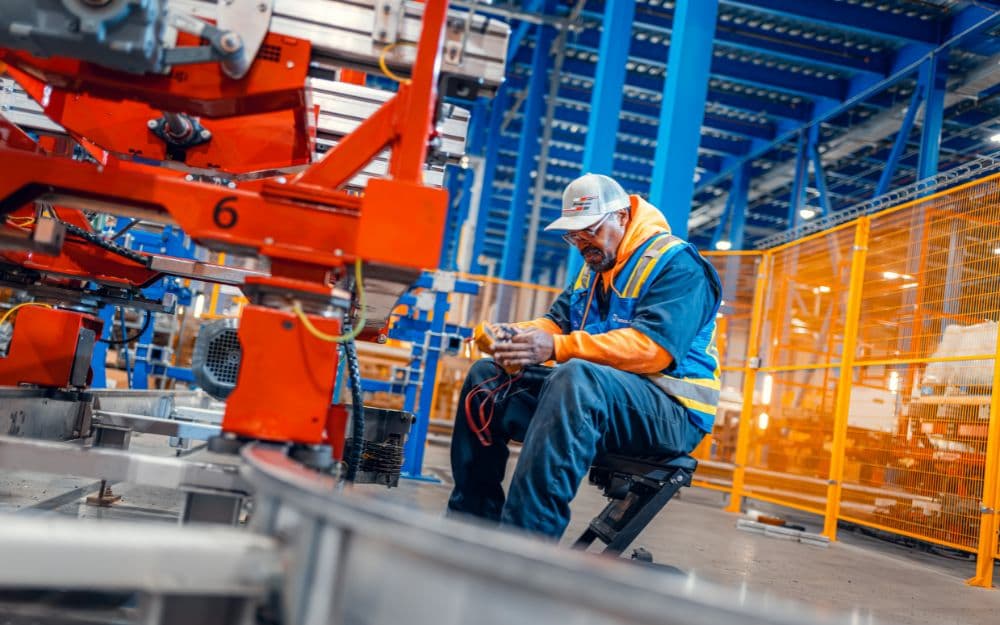
When people think about highly automated warehouses, they often focus on the advanced technology moving products through the facility. But behind every automated crane, shuttle, conveyor, and pallet handling system is a maintenance team working to keep operations running safely, efficiently, and reliably.
In NewCold’s warehouses, maintenance is about far more than repairing equipment when something goes wrong. It is a proactive discipline that protects critical assets, maximizes performance, and supports the continuous flow of goods that customers depend on every day.
Why maintenance matters in an automated warehouse
Automation systems are among the most important assets in a NewCold warehouse. From automated storage and retrieval cranes to conveyors, shuttles, lifts, and control systems, these technologies enable products to move through the facility with speed, accuracy, and efficiency.
Because these systems are interconnected, even a small technical issue can affect warehouse throughput and operational performance. That is why maintaining equipment in optimal condition is essential. Effective maintenance helps ensure high availability, supports customer service, and contributes to the reliability of the wider supply chain.
More than fixing equipment
Many people associate maintenance with repairing a breakdown. While responding to equipment failures remains an important part of the role, modern maintenance focuses heavily on preventing issues before they occur.
Maintenance teams perform inspections, routine servicing, troubleshooting, and improvement activities to identify potential risks early. By working closely with operations teams and automation suppliers, they help ensure equipment remains available, safe, and productive.
This proactive approach reduces unexpected interruptions and helps warehouses maintain consistent performance.
Understanding different maintenance strategies
To keep automated systems operating reliably, maintenance teams use a combination of approaches.
Reactive maintenance involves addressing an issue after a failure has occurred. While some unexpected events are unavoidable, the objective is always to minimize disruption and restore operations quickly.
Preventive maintenance consists of planned activities such as inspections, cleaning, adjustments, lubrication, and component replacement based on time or usage intervals. These activities are designed to reduce wear and prevent failures before they happen.
Predictive maintenance takes prevention a step further by using equipment data, condition monitoring, and performance insights to identify potential problems before they impact operations. This allows maintenance teams to intervene at the right time, improving efficiency and reducing unnecessary maintenance activities.
At NewCold, these strategies work together, with a strong focus on preventive maintenance and an increasing use of data-driven predictive maintenance techniques to support long-term reliability.
Protecting assets for the long term
Regular maintenance plays a critical role in extending asset life and reducing total ownership costs.
By identifying wear, degradation, and potential risks early, maintenance teams can address issues before they develop into larger problems. This not only helps avoid costly downtime but also allows equipment to perform more efficiently throughout its lifecycle.
A well-maintained asset is more reliable, requires fewer emergency repairs, and delivers more predictable performance over time. These benefits support both operational efficiency and long-term business sustainability.
Unique challenges in cold storage
Highly automated cold storage environments present their own maintenance challenges. Equipment must operate reliably in low temperatures while supporting continuous warehouse activity and high throughput demands.
In addition, many automation systems are complex and can be difficult to access, making detailed planning and specialized expertise essential.
To address these challenges, maintenance teams combine strong planning, technical training, spare parts management, condition monitoring, and close collaboration with engineering, operations, and equipment suppliers. Together, these efforts help ensure warehouse systems remain dependable, even in demanding conditions.
Reliability starts with maintenance
Among all warehouse assets, automation systems often require the greatest level of attention. Cranes, conveyors, shuttles, lifts, and control systems operate continuously and play a direct role in moving products through the facility.
Because of their importance, maintenance teams focus heavily on asset monitoring, preventive activities, and continuous improvement initiatives that help maximize performance and minimize disruption.
Ultimately, maintenance is not just about keeping equipment running. It is about safeguarding safety, reliability, and operational performance across the entire warehouse.
By combining technical expertise, structured maintenance practices, and increasing use of data and technology, NewCold’s maintenance teams help ensure our automated warehouses continue to perform today while preparing for the demands of tomorrow.
NewCold offers exciting and fulfilling career opportunities around the world.